
Introduction
In recent years, plant-based eating has become one of the fastest-growing nutrition movements worldwide. More people are becoming interested in improving energy levels, supporting long-term health, managing weight, and creating healthier daily habits. While trends often come and go, the growing interest in plant-based nutrition continues because many people experience meaningful lifestyle benefits.
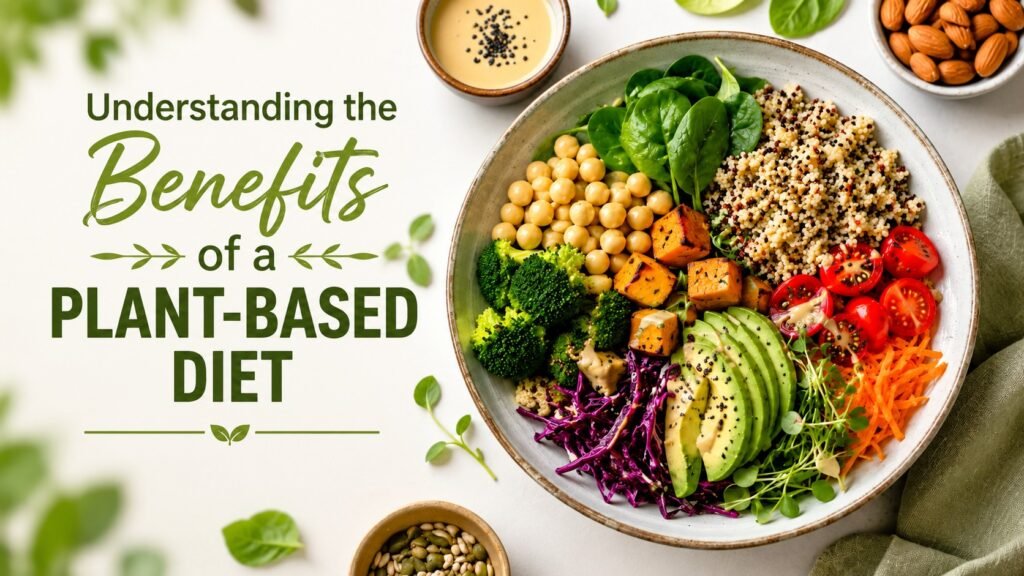
A plant-based diet focuses primarily on foods from plants including fruits, vegetables, legumes, nuts, seeds, whole grains, and natural sources of nutrition. Contrary to a common misconception, plant-based eating does not always mean eliminating all animal products. For many people, it simply means prioritizing whole foods from plants.
Research continues exploring how dietary patterns influence overall wellness. Many health professionals encourage increasing fruits, vegetables, fiber-rich foods, and minimally processed meals.
This guide explores ten powerful benefits of a plant-based diet and practical strategies for creating sustainable healthy habits.
1. Supports Better Heart Health

Heart health is one of the most common reasons people become interested in plant-based nutrition. Cardiovascular wellness affects overall quality of life, energy levels, physical activity and long-term health.
Many traditional eating patterns include highly processed foods, excessive added sugars and foods high in saturated fats. Plant-focused eating often encourages greater intake of nutrient-dense foods that naturally contain fiber, antioxidants and essential nutrients.
A heart-conscious lifestyle is not built around one superfood or one supplement. Instead, it often depends on long-term habits and consistent food choices.
Why Heart Health Matters
The heart works continuously throughout life, pumping blood and delivering oxygen and nutrients throughout the body.
Daily habits may influence overall cardiovascular wellness including:
- Food choices
- Physical activity
- Sleep quality
- Stress management
- Body composition
- Hydration
Small improvements in routine can create meaningful long-term benefits.
Plant Foods Naturally Rich in Fiber
Fiber is frequently discussed as an important component of balanced nutrition.
Foods naturally high in fiber include:
- Oats
- Beans
- Lentils
- Apples
- Pears
- Chia seeds
- Flaxseeds
- Whole grains
Many people consume less dietary fiber than recommended.
Colorful Foods and Antioxidants
Plant foods contain naturally occurring compounds often associated with overall wellness.
Examples include:
- Blueberries
- Strawberries
- Spinach
- Kale
- Tomatoes
- Purple cabbage
- Bell peppers
Eating a variety of colorful foods may help support nutritional diversity.
Foods Commonly Included in Heart-Conscious Eating Patterns
Many people following wellness-focused eating habits regularly include:
- Leafy greens
- Avocados
- Walnuts
- Almonds
- Oats
- Legumes
- Seeds
- Berries
Combining multiple whole foods often creates more balanced eating patterns.
Lifestyle Habits That Support Heart Wellness
Nutrition represents only one piece of overall health.
Additional healthy habits include:
- Walking regularly
- Resistance training
- Quality sleep
- Managing stress
- Staying hydrated
- Maintaining consistency
Healthy routines usually outperform short-term solutions.
Small Daily Changes Can Matter
Simple changes may include:
✔ Replacing processed snacks with fruit and nuts
✔ Choosing whole grains
✔ Including vegetables with meals
✔ Eating more legumes each week
✔ Cooking more meals at home
Long-term consistency often creates larger results than extreme changes.
2. May Increase Daily Energy Levels

Many people who transition toward a plant-based lifestyle report feeling more energized throughout the day. While energy levels can be influenced by factors such as sleep quality, exercise, stress and hydration, nutrition plays a major role in supporting how the body feels and performs.
A balanced plant-based diet often focuses on nutrient-dense foods that provide vitamins, minerals, fiber and complex carbohydrates. Unlike highly processed foods that may contribute to temporary spikes and crashes in energy, whole foods can help support a more consistent energy pattern.
Long-lasting energy is often the result of healthy habits rather than quick fixes.
Understanding How the Body Creates Energy
The body continuously converts food into usable energy for daily activities.
Energy supports:
- Physical movement
- Exercise performance
- Brain function
- Recovery processes
- Daily productivity
- Overall wellness
Food acts as fuel, and the quality of that fuel can influence how people feel throughout the day.
Complex Carbohydrates Provide Steady Fuel
Carbohydrates are the body’s preferred energy source.
Plant-based diets often include complex carbohydrate sources that digest more gradually than highly processed foods.
Examples include:
- Oats
- Brown rice
- Sweet potatoes
- Quinoa
- Whole grains
- Beans
- Fruits
These foods may contribute to more stable energy release throughout the day.
Foods Commonly Associated with Natural Energy
Many nutrient-rich plant foods are frequently included in energy-supportive eating habits.
Examples include:
- Bananas
- Oats
- Nuts
- Dates
- Chia seeds
- Berries
- Spinach
- Avocados
Combining carbohydrates, healthy fats and protein may help create balanced meals.
Micronutrients That Support Energy Metabolism
Certain nutrients play important roles in normal energy production processes.
Examples include:
- Iron
- Magnesium
- B vitamins
- Potassium
- Zinc
Plant foods naturally contain many nutrients involved in metabolic function.
Foods frequently discussed include:
- Leafy greens
- Seeds
- Legumes
- Nuts
- Whole grains
Avoiding Energy Crashes
Many highly processed foods contain refined sugars and ingredients that may contribute to rapid changes in energy levels.
People sometimes experience:
- Midday fatigue
- Temporary energy spikes
- Lack of focus
- Feelings of sluggishness
Balanced meals may help support steadier daily performance.
Lifestyle Habits That May Improve Energy
Nutrition works best when combined with supportive lifestyle habits.
Examples include:
- Staying hydrated
- Getting quality sleep
- Managing stress
- Regular physical activity
- Consistent meal timing
Daily habits often influence energy more than isolated changes.
Simple Daily Changes for More Energy
Small adjustments can become sustainable long-term habits:
✔ Start the day with a nutrient-dense breakfast
✔ Include protein with meals
✔ Add fruits and vegetables daily
✔ Choose whole foods more often
✔ Drink enough water throughout the day
✔ Reduce heavily processed snacks
Consistent habits may create noticeable improvements over time.
3. Rich in Fiber for Digestive Wellness

Fiber is one of the most important nutrients for overall health, yet many people consume significantly less than recommended. Unlike many highly processed foods, plant-based diets naturally contain large amounts of dietary fiber from fruits, vegetables, legumes, nuts, seeds and whole grains.
Digestive wellness affects far more than digestion alone. The digestive system plays a role in nutrient absorption, daily comfort, gut balance and overall well-being.
Increasing fiber intake through whole foods may support a healthier digestive routine and contribute to long-term wellness habits.
What Is Dietary Fiber?
Dietary fiber is a type of carbohydrate found in plant foods that the body does not fully digest.
Fiber is commonly divided into two categories:
Soluble fiber
May help absorb water and create a gel-like texture during digestion.
Common sources include:
- Oats
- Apples
- Beans
- Lentils
- Chia seeds
- Citrus fruits
Insoluble fiber
Adds bulk and supports movement through the digestive system.
Common sources include:
- Whole grains
- Vegetables
- Nuts
- Seeds
- Leafy greens
Both types play important roles in a balanced eating pattern.
Why Fiber Matters for Digestive Health
Fiber is frequently discussed because of its relationship with digestive wellness.
Potential benefits commonly associated with fiber include:
- Supporting regular digestion
- Helping maintain satiety
- Supporting gut balance
- Assisting nutrient movement through the digestive system
- Supporting overall wellness habits
Small daily choices can significantly increase fiber intake over time.
High-Fiber Plant Foods to Include
Plant-based eating naturally includes many foods rich in fiber.
Examples:
Fruits
- Apples
- Pears
- Raspberries
- Bananas
- Oranges
Vegetables
- Broccoli
- Carrots
- Brussels sprouts
- Spinach
- Sweet potatoes
Legumes
- Black beans
- Lentils
- Chickpeas
- Kidney beans
Seeds and Nuts
- Chia seeds
- Flaxseeds
- Almonds
- Walnuts
Whole Grains
- Oats
- Brown rice
- Quinoa
- Whole wheat products
Adding variety may help increase nutritional diversity.
Understanding the Gut Microbiome
The digestive system contains trillions of microorganisms known collectively as the gut microbiome.
Scientists continue studying how nutrition may influence overall gut wellness.
Foods often discussed for gut support include:
- Fermented foods
- Fiber-rich vegetables
- Whole grains
- Beans
- Fruits
Maintaining dietary variety may help support overall digestive balance.
Common Signs You May Need More Fiber
Many people unintentionally consume too little fiber.
Common situations may include:
- Feeling hungry shortly after meals
- Low fruit and vegetable intake
- Heavy reliance on processed foods
- Limited whole grain consumption
Small improvements often create meaningful long-term habits.
Simple Ways to Increase Fiber Intake
Building fiber gradually can help create sustainable changes.
Try these simple ideas:
✔ Add fruit to breakfast
✔ Include vegetables with lunch and dinner
✔ Replace refined grains with whole grains
✔ Add beans to meals
✔ Snack on nuts and seeds
✔ Increase water intake alongside fiber
Consistency often matters more than perfection.
A Long-Term Approach to Digestive Wellness
Digestive health is not determined by one meal or one ingredient.
Long-term habits that support wellness often include:
- Eating a variety of whole foods
- Staying hydrated
- Regular physical activity
- Managing stress
- Building balanced eating routines
Small changes repeated consistently can create powerful results over time.
4. Supports Healthy Weight Management

Healthy weight management is one of the most common goals people have when improving their nutrition habits. While there is no single food or eating pattern that guarantees results, plant-based diets often emphasize whole foods that may support balanced eating behaviors and long-term lifestyle changes.
Unlike restrictive diets that focus heavily on eliminating foods, many plant-based approaches encourage adding more nutrient-dense foods to meals. This creates a more sustainable mindset centered around nutrition quality rather than extreme limitations.
Long-term success often comes from consistency rather than temporary dieting strategies.
Understanding Healthy Weight Management
Weight management involves more than calories alone.
Multiple factors can influence body composition and overall wellness:
- Daily eating habits
- Physical activity
- Sleep quality
- Stress levels
- Hydration
- Lifestyle consistency
Nutrition is one important piece of a much larger picture.
Why Whole Plant Foods Can Be Filling
Many whole plant foods naturally contain:
- Dietary fiber
- Water content
- Complex carbohydrates
- Nutrients
- Volume with fewer calories
These characteristics may help create greater feelings of fullness after meals.
Examples include:
- Vegetables
- Fruits
- Legumes
- Whole grains
- Beans
- Potatoes
- Oats
Large portions of nutrient-dense foods may feel more satisfying than highly processed alternatives.
Fiber May Support Satiety
Fiber-rich foods digest more gradually and are often associated with fullness.
High-fiber foods include:
- Lentils
- Chickpeas
- Oats
- Apples
- Chia seeds
- Beans
- Broccoli
Many wellness-focused eating plans encourage increasing fiber intake because of its role in supporting balanced nutrition habits.
Reducing Highly Processed Foods
Many highly processed foods can contain:
- Added sugars
- Refined ingredients
- Excess calories
- Low nutrient density
Examples include:
- Sugary snacks
- Fried foods
- Sweetened beverages
- Processed desserts
Plant-focused eating often encourages replacing heavily processed foods with whole-food alternatives.
Nutrient Density Matters
Nutrient density refers to the amount of beneficial nutrients present relative to calories.
Examples of nutrient-dense foods:
- Leafy greens
- Berries
- Sweet potatoes
- Beans
- Nuts
- Seeds
- Quinoa
Choosing foods rich in nutrients may help support healthier daily choices.
Healthy Habits That Support Weight Goals
Nutrition works best alongside supportive lifestyle behaviors.
Helpful habits may include:
- Regular exercise
- Strength training
- Walking daily
- Staying hydrated
- Prioritizing sleep
- Managing stress
Building routines often matters more than seeking quick solutions.
Common Mistakes People Make
Many people unintentionally create challenges while trying to improve nutrition.
Examples include:
- Skipping meals
- Following overly restrictive plans
- Relying on processed “healthy” snacks
- Eating too little protein
- Ignoring hydration
Sustainable approaches generally outperform extreme changes.
Simple Daily Habits for Better Weight Management
Small actions repeated consistently can create meaningful progress:
✔ Add vegetables to every meal
✔ Replace sugary drinks with water
✔ Increase whole-food intake
✔ Include protein sources daily
✔ Prepare meals at home more often
✔ Focus on consistency rather than perfection
Healthy weight management is often built one habit at a time.
5. Packed With Powerful Antioxidants

One of the most impressive benefits of a plant-based diet is the wide variety of antioxidants naturally found in fruits, vegetables, herbs, seeds and other plant foods. These naturally occurring compounds have become a major focus of nutrition discussions because of their relationship with overall wellness and healthy living.
Plant foods contain thousands of unique compounds that contribute to nutritional diversity. Eating a wide range of colorful foods may help support a more balanced and nutrient-rich lifestyle.
Rather than relying on one “superfood,” many wellness experts encourage building habits around variety and consistency.
What Are Antioxidants?
Antioxidants are natural compounds found in many foods that help protect cells from oxidative stress.
Oxidative stress is a natural process that occurs in the body and may be influenced by factors including:
- Daily stress
- Poor nutrition habits
- Lack of sleep
- Environmental exposure
- Physical inactivity
- Smoking
- Aging processes
The body naturally uses antioxidant defenses, and foods can contribute additional support.
Why Colorful Foods Matter
One simple nutrition principle often recommended is:
“Eat the rainbow.”
Different colors frequently represent different plant compounds and nutrients.
Examples:
Red Foods
Often include:
- Tomatoes
- Strawberries
- Watermelon
- Red peppers
Orange and Yellow Foods
Examples:
- Carrots
- Sweet potatoes
- Mangoes
- Oranges
Green Foods
Examples:
- Spinach
- Kale
- Broccoli
- Avocados
Purple and Blue Foods
Examples:
- Blueberries
- Purple cabbage
- Blackberries
- Eggplant
Including a variety of colors may help improve nutritional diversity.
Plant Foods Naturally Rich in Antioxidants
Many plant-based foods are commonly discussed for their antioxidant content.
Examples include:
- Blueberries
- Green tea
- Dark leafy greens
- Nuts
- Seeds
- Berries
- Grapes
- Tomatoes
- Cocoa
- Herbs and spices
Whole foods often provide combinations of nutrients that work together naturally.
Common Plant Compounds Found in Foods
Plants contain numerous naturally occurring compounds.
Examples often discussed include:
- Polyphenols
- Flavonoids
- Carotenoids
- Anthocyanins
These compounds contribute to the colors, flavors and characteristics of many fruits and vegetables.
Lifestyle Habits That Work Together
Nutrition represents only one part of overall wellness.
Healthy lifestyle habits often include:
- Regular exercise
- Adequate sleep
- Stress management
- Hydration
- Balanced eating patterns
Healthy routines often work together rather than independently.
Simple Ways to Increase Antioxidant Intake
Building better habits does not need to be complicated.
Try these simple ideas:
✔ Add berries to breakfast
✔ Include leafy greens daily
✔ Eat more colorful vegetables
✔ Drink green tea
✔ Snack on nuts and fruit
✔ Add herbs and spices to meals
Small dietary improvements repeated consistently may create meaningful long-term habits.
Focus on Variety Rather Than Perfection
No single food determines overall health.
Long-term wellness often comes from:
- Consistency
- Variety
- Balanced nutrition
- Sustainable habits
Adding more colorful plant foods may be one simple way to support better everyday nutrition.
6. May Support Healthy Aging

Healthy aging is not simply about adding more years to life — it is also about maintaining energy, mobility, independence and overall quality of life. As people age, lifestyle habits often become increasingly important, and nutrition can play a major role in supporting long-term wellness.
A plant-based diet naturally includes a variety of nutrient-dense foods rich in vitamins, minerals, fiber and plant compounds. Rather than focusing on short-term solutions, many wellness strategies emphasize creating sustainable habits that support health throughout different stages of life.
Healthy aging is often influenced by the choices people make consistently over time.
Understanding Healthy Aging
Aging is a natural process that affects every system in the body.
Areas commonly associated with healthy aging include:
- Physical activity
- Cognitive wellness
- Mobility
- Daily energy
- Sleep quality
- Lifestyle habits
- Nutritional choices
While aging itself cannot be stopped, daily routines may influence overall well-being over time.
Nutrient-Dense Foods Support Long-Term Wellness
Plant foods often provide a combination of nutrients associated with overall health.
Examples include:
- Vitamins
- Minerals
- Fiber
- Healthy fats
- Antioxidants
- Natural plant compounds
Foods frequently included in wellness-focused eating patterns:
- Berries
- Leafy greens
- Nuts
- Seeds
- Whole grains
- Legumes
- Colorful vegetables
Eating a variety of whole foods may help support nutritional balance.
The Role of Antioxidants in Healthy Living
Plant foods naturally contain compounds often discussed in relation to overall wellness.
Examples include:
- Polyphenols
- Flavonoids
- Carotenoids
- Anthocyanins
Colorful foods commonly associated with these compounds:
- Blueberries
- Spinach
- Tomatoes
- Kale
- Purple cabbage
- Bell peppers
A colorful plate often represents greater nutritional diversity.
Maintaining Physical Activity as We Age
Movement remains one of the most important components of healthy living.
Lifestyle habits commonly recommended include:
- Walking regularly
- Strength training
- Stretching
- Balance exercises
- Daily movement routines
Nutrition and physical activity frequently work together as part of a broader wellness strategy.
Foods Commonly Included in Healthy Aging Nutrition Patterns
People focused on long-term wellness often include:
Fruits
- Berries
- Apples
- Oranges
- Grapes
Vegetables
- Spinach
- Broccoli
- Carrots
- Sweet potatoes
Healthy Fats
- Avocados
- Walnuts
- Chia seeds
- Flaxseeds
Plant Proteins
- Lentils
- Beans
- Chickpeas
- Tofu
Balanced eating often focuses on variety rather than perfection.
Lifestyle Habits That Support Healthy Aging
Nutrition alone does not determine long-term health.
Other supportive habits include:
- Quality sleep
- Stress management
- Staying hydrated
- Maintaining social connections
- Regular exercise
- Consistent routines
Small daily actions often create larger long-term effects.
Simple Daily Habits for Long-Term Wellness
Healthy habits do not need to be complicated:
✔ Include fruits and vegetables daily
✔ Stay physically active
✔ Drink enough water
✔ Prioritize sleep quality
✔ Reduce heavily processed foods
✔ Focus on sustainable routines
Healthy aging is often the result of small decisions repeated consistently over time.
Focus on Progress Over Perfection
Healthy living is a lifelong process.
Long-term wellness usually develops through:
- Consistency
- Balanced nutrition
- Daily movement
- Positive habits
- Sustainable choices
Small changes today may contribute to a healthier future tomorrow.
7. Promotes Gut Health

Gut health has become one of the most discussed topics in nutrition and wellness. Scientists continue studying the digestive system and its broader relationship with overall health, energy, daily comfort and lifestyle habits.
The digestive system contains trillions of microorganisms collectively known as the gut microbiome. These microorganisms interact with food, digestion and many processes throughout the body.
A plant-based diet naturally includes many foods rich in dietary fiber and nutrients commonly associated with digestive wellness.
Supporting gut health is often less about a single food and more about creating long-term habits built around variety and consistency.
Understanding the Gut Microbiome
The gut microbiome refers to a large community of microorganisms living within the digestive system.
Researchers continue exploring how the microbiome may relate to:
- Digestive function
- Nutrient absorption
- Energy levels
- Daily wellness
- Lifestyle habits
- Overall health balance
Although research continues evolving, maintaining dietary variety remains a common recommendation.
Why Dietary Fiber Matters
Fiber plays an important role in plant-based nutrition and digestive wellness.
Unlike many processed foods, whole plant foods naturally contain significant amounts of fiber.
Common sources include:
- Beans
- Lentils
- Fruits
- Vegetables
- Nuts
- Seeds
- Whole grains
Many people consume less fiber than recommended in daily diets.
Plant Foods Commonly Associated with Gut Wellness
Certain foods are frequently included in gut-focused eating patterns.
Examples include:
Fruits
- Bananas
- Apples
- Berries
- Pears
Vegetables
- Broccoli
- Spinach
- Garlic
- Onions
Whole Grains
- Oats
- Brown rice
- Quinoa
Legumes
- Lentils
- Chickpeas
- Black beans
Adding a variety of foods may support nutritional diversity.
Fermented Foods and Digestive Wellness
Fermented foods are frequently discussed in conversations surrounding gut health.
Examples include:
- Yogurt alternatives
- Sauerkraut
- Kimchi
- Kefir alternatives
- Fermented vegetables
These foods are commonly included within wellness-focused eating habits.
Lifestyle Habits That May Support Gut Health
Nutrition works alongside other daily habits.
Examples include:
- Staying hydrated
- Managing stress
- Sleeping adequately
- Exercising regularly
- Eating balanced meals
- Maintaining routine eating patterns
Healthy habits often work together rather than individually.
Common Habits That May Negatively Affect Digestive Wellness
Certain lifestyle habits may interfere with digestive comfort.
Examples may include:
- Highly processed diets
- Low fiber intake
- Chronic stress
- Poor sleep habits
- Inconsistent eating patterns
Small improvements can create meaningful long-term changes.
Simple Ways to Support Gut Health Daily
Creating healthy habits does not require drastic changes.
Try these practical ideas:
✔ Add fruits and vegetables daily
✔ Increase fiber gradually
✔ Include more whole foods
✔ Drink enough water
✔ Eat a wider variety of foods
✔ Stay physically active
Consistency often matters more than perfection.
Building Long-Term Digestive Wellness
Gut health is not determined by one food, one supplement or one meal.
Long-term digestive wellness often develops through:
- Variety
- Consistency
- Balanced nutrition
- Healthy routines
- Sustainable habits
Small daily choices repeated over time may support a healthier lifestyle.
8. Supports Fitness and Recovery Goals

Nutrition and fitness often work together. Whether someone is training for athletic performance, building strength, improving endurance or simply maintaining an active lifestyle, food plays a major role in supporting the body’s daily demands.
In recent years, many athletes, fitness enthusiasts and wellness-focused individuals have incorporated more plant foods into their routines. A plant-based diet can include a wide variety of nutrient-dense foods that support energy needs, exercise performance and recovery habits.
Fitness success is rarely determined by one supplement or one meal. Long-term progress often comes from consistency and balanced nutrition.
Why Nutrition Matters for Fitness
Physical activity places demands on the body.
Exercise requires nutrients that support:
- Energy production
- Muscle recovery
- Daily performance
- Hydration balance
- Training consistency
- Overall wellness
Food serves as fuel before, during and after physical activity.
Understanding Pre-Workout and Post-Workout Nutrition
Nutrition timing is commonly discussed among active individuals.
Before Exercise
Pre-workout meals often focus on foods that provide energy.
Examples include:
- Oats
- Bananas
- Whole grain toast
- Fruits
- Rice
- Sweet potatoes
These foods can provide carbohydrates commonly used as energy sources.
After Exercise
Post-workout meals often focus on recovery support.
Common examples:
- Plant protein smoothies
- Lentils
- Tofu
- Quinoa
- Chickpeas
- Protein-rich meals
Balanced meals frequently include protein and carbohydrates together.
Plant Protein Sources for Active Lifestyles
One common misconception is that plant-based diets lack protein.
Many plant foods naturally contain protein.
Examples include:
Legumes
- Lentils
- Chickpeas
- Black beans
- Kidney beans
Soy-Based Foods
- Tofu
- Tempeh
- Edamame
Seeds and Nuts
- Hemp seeds
- Chia seeds
- Pumpkin seeds
- Almonds
Whole Grains
- Quinoa
- Oats
A balanced eating pattern can include multiple protein sources.
Carbohydrates Support Energy Demands
Carbohydrates remain one of the body’s primary energy sources.
Examples commonly used by active individuals:
- Sweet potatoes
- Brown rice
- Oats
- Fruits
- Whole grains
- Bananas
Complex carbohydrates may help support sustained energy during active lifestyles.
Hydration and Performance
Hydration plays an important role in overall wellness and physical activity.
Staying hydrated may support:
- Exercise performance
- Daily comfort
- Recovery routines
- Overall health habits
Hydration habits often matter both during and outside workouts.
Recovery Involves More Than Nutrition
Exercise recovery includes multiple lifestyle factors.
Examples include:
- Sleep quality
- Rest days
- Stretching
- Stress management
- Hydration
- Consistent habits
Recovery is often where progress happens.
Simple Nutrition Habits for Fitness Goals
Small daily actions can help support active lifestyles:
✔ Include protein with meals
✔ Stay hydrated throughout the day
✔ Prioritize nutrient-dense foods
✔ Eat a variety of whole foods
✔ Prepare balanced post-workout meals
✔ Maintain consistency
Healthy habits often create stronger long-term results than short-term approaches.
Focus on Sustainable Fitness Habits
Fitness and wellness are long-term journeys.
Progress often comes from:
- Consistency
- Balanced nutrition
- Recovery routines
- Daily movement
- Sustainable habits
Small choices repeated over time can help support stronger and healthier lifestyles.
9. Encourages Better Food Choices

One of the most overlooked benefits of a plant-based diet is how it can positively influence overall eating habits. While many people initially begin plant-based eating for health, fitness or wellness goals, they often discover that the process naturally increases awareness around food quality and daily choices.
Rather than focusing only on restriction, plant-based eating often shifts attention toward adding more nutrient-dense foods and creating sustainable routines. Over time, small changes in food selection may encourage healthier long-term habits.
Nutrition is often built meal by meal and decision by decision.
Becoming More Mindful About Food
Many people report paying closer attention to what they eat after adopting healthier eating patterns.
Examples of increased awareness may include:
- Reading food labels
- Checking ingredients
- Planning meals
- Choosing less processed foods
- Paying attention to nutritional value
Mindful eating habits can contribute to better long-term decisions.
Choosing More Whole Foods
Whole foods are foods that remain close to their natural state with minimal processing.
Examples include:
Fruits
- Apples
- Berries
- Bananas
- Oranges
Vegetables
- Broccoli
- Spinach
- Carrots
- Sweet potatoes
Whole Grains
- Oats
- Quinoa
- Brown rice
Protein Sources
- Lentils
- Beans
- Chickpeas
- Tofu
Many plant-focused eating patterns encourage increasing these types of foods.
Reducing Reliance on Highly Processed Foods
Highly processed foods are often designed for convenience and may contain:
- Added sugars
- Refined ingredients
- Artificial additives
- Excess sodium
- Highly refined oils
Examples:
- Sugary snacks
- Fast food items
- Processed desserts
- Sweetened beverages
Improving food quality does not necessarily require perfection. Small changes often create meaningful progress.
Home Cooking May Increase More Naturally
Many people who improve nutrition habits begin preparing meals at home more frequently.
Potential advantages of home cooking include:
- Greater ingredient awareness
- Better portion control
- Increased food variety
- More flexibility in meal choices
Cooking can become an opportunity to build healthier routines.
Learning About Nutrition
Plant-based eating often motivates people to learn more about nutrition and food quality.
Topics people commonly explore include:
- Protein sources
- Fiber intake
- Nutrient balance
- Meal planning
- Healthier substitutions
Knowledge can help support better long-term decisions.
Simple Food Swaps That May Improve Daily Habits
Small substitutions can become powerful long-term changes.
Examples:
✔ Replace sugary snacks with fruit and nuts
✔ Choose whole grains instead of refined grains
✔ Add vegetables to meals
✔ Replace heavily processed snacks with whole foods
✔ Drink more water instead of sweetened beverages
Simple habits often become easier over time.
Consistency Matters More Than Perfection
Healthy eating does not require perfect choices every day.
Long-term success often comes from:
- Better habits
- Consistency
- Awareness
- Flexibility
- Sustainable routines
Small improvements repeated regularly can create meaningful lifestyle changes.
Better Choices Build Better Habits
Food decisions made every day often influence overall wellness.
Plant-based eating may help encourage:
- More awareness
- More nutritious choices
- Greater food variety
- Long-term healthy habits
Over time, small choices can contribute to larger changes.
10. Supports Overall Wellness and Lifestyle Balance

Health is much more than simply avoiding illness or following a temporary nutrition plan. True wellness often involves creating a balanced lifestyle that supports physical health, mental well-being, energy levels and sustainable daily habits.
A plant-based diet is frequently viewed as more than a way of eating. For many people, it becomes part of a broader lifestyle focused on improving quality of life and creating healthier routines.
Wellness is often built through small choices repeated consistently over time.
Understanding Overall Wellness
Wellness is a multidimensional concept involving various aspects of health.
Examples include:
- Physical health
- Mental well-being
- Emotional balance
- Daily energy
- Sleep quality
- Stress management
- Nutrition habits
No single habit determines overall health. Wellness often develops through a combination of supportive routines.
Nutrition Is One Piece of the Bigger Picture
Healthy eating can support wellness, but it works best alongside other healthy behaviors.
Examples of supportive habits include:
- Regular movement
- Staying hydrated
- Quality sleep
- Managing stress
- Building routines
- Spending time outdoors
Daily habits often work together rather than independently.
Plant-Based Eating Encourages Routine and Awareness
Many people discover that improving food quality naturally increases awareness around other aspects of health.
Examples:
- Paying more attention to hydration
- Becoming more physically active
- Improving sleep habits
- Reducing highly processed foods
- Preparing meals more often
Healthy habits frequently create positive momentum.
The Connection Between Food and Daily Well-Being
Nutrition affects more than physical health alone.
Daily food choices may influence:
- Energy levels
- Productivity
- Mood
- Exercise routines
- Lifestyle consistency
Building healthier eating patterns may support broader wellness goals.
Daily Habits That Support Overall Wellness
Long-term health often develops through simple routines.
Examples include:
Movement
- Walking
- Strength training
- Stretching
- Recreational activities
Recovery
- Quality sleep
- Rest days
- Relaxation routines
Nutrition
- Whole foods
- Fruits and vegetables
- Balanced meals
- Hydration
Small habits can create meaningful results over time.
Simple Wellness Habits to Start Today
Creating better routines does not require major changes.
Try these simple ideas:
✔ Eat more whole foods
✔ Drink enough water daily
✔ Move your body regularly
✔ Sleep consistently
✔ Spend time outdoors
✔ Practice stress management
Progress often happens through repetition and consistency.
Wellness Is a Long-Term Journey
Many people search for quick solutions, but long-term wellness usually develops gradually.
Meaningful progress often comes from:
- Consistency
- Sustainable habits
- Balance
- Patience
- Daily action
Healthy living is not about perfection. It is about making better choices more often.
Small Choices Create Big Results
Everyday decisions may seem small individually, but over time they can contribute to major lifestyle improvements.
A plant-based lifestyle can become one part of a broader wellness journey focused on:
- Better health
- More energy
- Improved daily habits
- Long-term well-being
Healthy living often begins with one decision at a time.
Foods to Include in a Plant-Based Diet
Fruits
- Apples
- Bananas
- Berries
- Oranges
- Avocados
Vegetables
- Broccoli
- Kale
- Spinach
- Carrots
- Sweet potatoes
Protein Sources
- Lentils
- Beans
- Chickpeas
- Tofu
- Tempeh
Healthy Fats
- Walnuts
- Chia seeds
- Almonds
- Flaxseeds
Whole Grains
- Oats
- Quinoa
- Brown rice
- Whole grain bread
Common Mistakes Beginners Make
Eating Too Few Calories
Whole foods can be filling and may unintentionally reduce intake.
Ignoring Protein
Protein exists in numerous plant foods.
Relying on Processed Products
Not all plant-based packaged products offer equal nutritional value.
Forgetting Nutritional Variety
Variety helps support balanced eating.
Frequently Asked Questions

Is plant-based eating good for weight management?
Many people choose plant-based eating as part of a balanced lifestyle because whole plant foods often contain fiber, nutrients and satisfying ingredients that may support healthier eating habits.
Can athletes follow a plant-based diet?
Yes. Many athletes include plant proteins and nutrient-dense foods in their routines. A balanced approach can support active lifestyles and fitness goals.
Is plant-based the same as vegan?
Not always. Plant-based eating generally focuses on increasing foods from plant sources, while vegan diets typically avoid all animal-derived foods.
Can plant foods provide enough protein?
Yes. Many plant foods naturally contain protein.
Examples include:
- Lentils
- Chickpeas
- Tofu
- Tempeh
- Beans
- Quinoa
- Hemp seeds
- Nuts and seeds
Do I need to stop eating meat completely?
Not necessarily. Some people follow fully plant-based lifestyles, while others simply increase plant foods and reduce processed foods.
Can plant-based eating support heart health?
Plant-focused eating patterns often emphasize fruits, vegetables, whole grains and nutrient-dense foods that are frequently associated with healthy lifestyle habits.
Will I feel hungry all the time?
Not if meals are balanced. Including fiber, protein and healthy fats may help create more satisfying meals.
What foods are commonly eaten on a plant-based diet?
Common foods include:
- Fruits
- Vegetables
- Legumes
- Whole grains
- Nuts
- Seeds
- Beans
- Plant proteins
Can a plant-based diet help improve energy?
Many people report improved energy after improving nutrition habits and increasing whole foods while reducing highly processed products.
Is plant-based eating expensive?
It does not have to be. Affordable foods like beans, oats, rice, potatoes and seasonal produce can fit many budgets.
Can children follow a plant-based eating pattern?
Balanced nutrition is important at every age. Families considering major dietary changes often discuss nutritional planning with qualified healthcare professionals.
What is the difference between whole-food plant-based and regular plant-based eating?
Whole-food plant-based eating places greater emphasis on minimally processed foods and often limits highly processed products.
Are carbohydrates allowed on a plant-based diet?
Absolutely. Plant-based eating frequently includes healthy carbohydrate sources such as:
- Oats
- Brown rice
- Sweet potatoes
- Fruits
- Beans
- Quinoa
Can I build muscle on a plant-based diet?
Yes. Many active individuals combine resistance training with adequate calories and protein from plant sources.
Are supplements required?
Not always. Individual nutritional needs vary depending on eating habits and lifestyle factors.
Can plant-based diets support digestive wellness?
Many plant foods naturally contain dietary fiber, which is often discussed in relation to digestive health and gut wellness.
How long does it take to notice changes?
Experiences vary greatly from person to person. Nutrition changes often depend on consistency and overall lifestyle habits.
Can I eat processed foods on a plant-based diet?
Plant-based products can include processed foods, but many people focus on increasing whole and nutrient-dense options.
Is plant-based eating difficult for beginners?
Starting gradually often helps. Small changes may feel easier than complete dietary overhauls.
What are simple ways to start eating more plant foods?
Begin with practical habits:
✔ Add fruit to breakfast
✔ Include vegetables with meals
✔ Replace refined grains with whole grains
✔ Try beans or lentils weekly
✔ Snack on nuts and fruit
✔ Experiment with plant-based recipes
Can plant-based eating fit different lifestyles?
Yes. Plant-based eating can be adapted for students, athletes, families, busy professionals and people with different wellness goals.
Is plant-based eating a short-term diet?
For many people, it becomes a long-term lifestyle approach focused on healthier habits rather than temporary restrictions.
What matters most for long-term success?
Long-term success often comes from:
- Consistency
- Variety
- Balanced nutrition
- Sustainable habits
- Flexibility
- Progress over perfection
Final Thoughts
Adopting a plant-based diet does not require perfection or dramatic lifestyle changes. Many people assume healthy eating means following strict rules or completely changing their routines overnight. In reality, long-term wellness is usually built through smaller, sustainable choices that gradually become everyday habits.
A plant-based lifestyle is also about more than removing certain foods. It focuses on adding more nutrient-dense options that may support overall wellness, daily energy, fitness goals and healthier routines. Over time, simple dietary improvements can contribute to a more balanced lifestyle.
Many people begin with practical changes such as:
- Adding more fruits and vegetables
- Increasing whole-food meals
- Trying plant-based recipes
- Replacing highly processed snacks
- Including more fiber-rich foods
Small adjustments often feel easier to maintain than major dietary overhauls. Rather than aiming for immediate perfection, consistency tends to create stronger long-term results.
As nutrition habits improve, people frequently become more aware of other aspects of health. Better food choices often encourage healthier routines that may include:
- Staying physically active
- Drinking more water
- Improving sleep habits
- Prioritizing recovery
- Paying attention to overall wellness
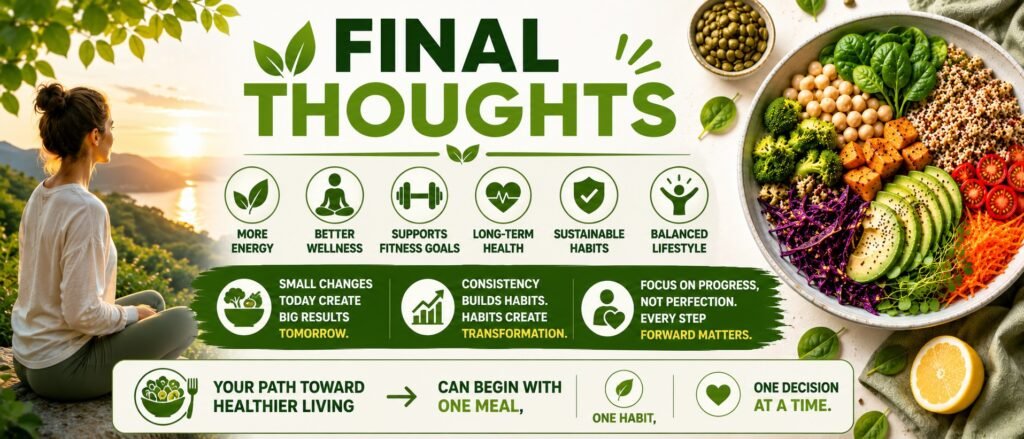
Healthy living rarely develops from one meal or one perfect week. Sustainable progress is usually created through repeated actions over time. Small habits that seem insignificant today may eventually lead to meaningful lifestyle improvements.
Plant-based eating can also fit different goals and lifestyles. Some individuals fully adopt a plant-based approach, while others simply increase the amount of plant foods they consume. There is no single path that works for everyone, and flexibility often helps create a more realistic and enjoyable experience.
Health is a long-term journey rather than a final destination. Meaningful change often begins with simple decisions practiced consistently. Your path toward healthier living does not need to start with perfection. It can begin with one meal, one habit and one decision at a time.